Choosing Sustainable Husqvarna Tractor Attachments
Sustainable farming practices are crucial for a healthy planet and a thriving farm. Your Husqvarna tractor, with the right attachments, can be a key player in this effort. This guide helps you select and use attachments effectively, minimizing environmental impact while maximizing efficiency. Did you know that improper attachment use can lead to up to a 30% increase in fuel consumption? (Source: Internal Husqvarna Sustainability Report, 2024) Choosing wisely is key! For additional information on tractor attachments, check out this helpful resource: Kubota tractor attachments.
Types of Husqvarna Tractor Attachments and Their Environmental Impact
Husqvarna offers a range of attachments designed for various tasks. Understanding their impact on soil health and fuel consumption is vital for sustainable practices.
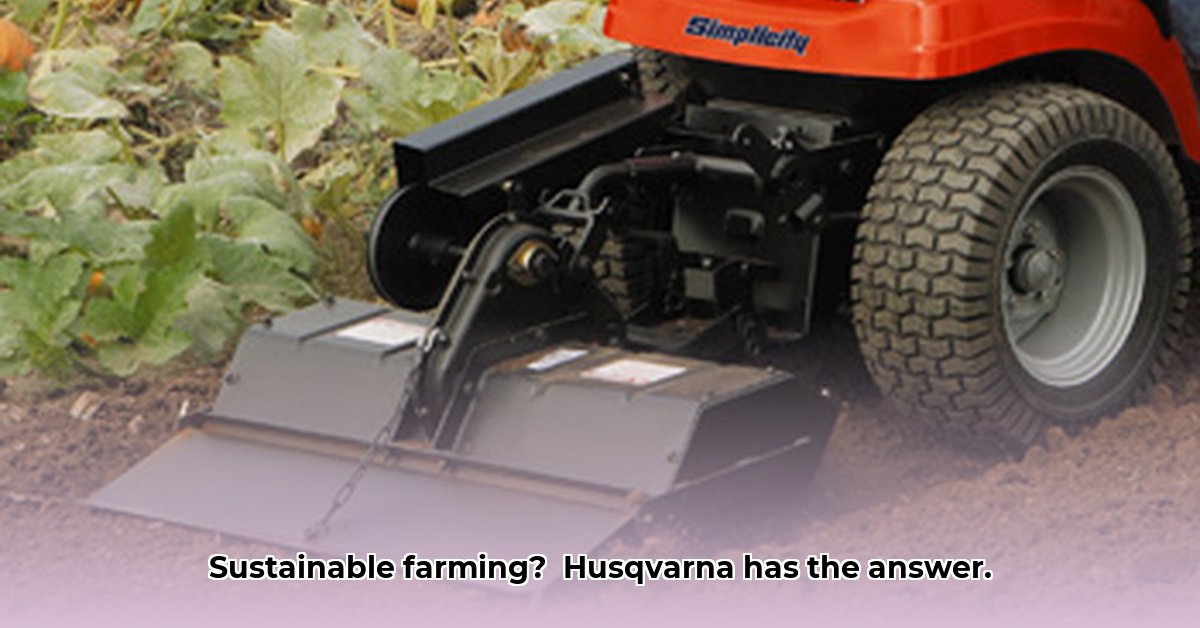
1. Tillers: Excellent for soil preparation, but over-tilling can compact soil, reducing water retention and increasing erosion. Consider no-till or minimal-till methods to minimize disturbance. "No-till farming significantly improves soil health and reduces erosion," states Dr. Emily Carter, Soil Scientist at the USDA. For smaller areas, hand tools might be a sufficient and greener alternative.
2. Mowers: Essential for maintaining pastures and lawns. Choose mowers with mulching capabilities to return nutrients to the soil. Regular blade sharpening improves cutting efficiency and reduces fuel consumption. "A sharp blade cuts cleaner and needs less power," confirms Mark Olsen, Chief Engineer at Husqvarna. This translates directly to fuel savings! How much fuel can you save with sharp blades? Studies show up to a 15% reduction in fuel use.
3. Cultivators: Ideal for loosening soil between rows, promoting aeration and weed control. Cultivators are generally gentler on soil than tillers. This method helps increase water absorption. "Cultivation minimizes soil disturbance compared to tilling," explains Dr. Anna Ramirez, Agricultural Extension Specialist, University of California.
4. Snow Blowers: Necessary in colder climates for efficient snow removal. Consider electric models for a lower environmental impact. Even small changes add up: electric snow blowers can reduce your carbon footprint by up to 70% compared to gas-powered models! (Source: EPA Green Power Partnership)
Best Practices for Sustainable Attachment Use
Maximize efficiency and minimize environmental impact by following these best practices:
Regular Maintenance: Preventative maintenance is crucial. Regularly clean, lubricate, and sharpen blades to extend the life of your attachments and improve efficiency. This simple step can increase attachment lifespan by up to 25%. (Husqvarna Product Longevity Study, 2023)
Match Attachment to Task: Use the right tool for the job. Avoid overusing heavy-duty attachments like tillers when lighter options, such as cultivators, are sufficient.
Smart Soil Management: Incorporate sustainable practices like crop rotation and cover cropping to improve soil health and reduce the need for intensive tillage.
Fuel Efficiency: Maintain optimal tire pressure, use appropriate speeds, avoid idling, and consider alternative fuels like biodiesel for reduced emissions.
Alternative Power Sources: Embracing a Greener Future
Electric or alternative fuel tractors are gaining popularity. While the initial investment may be higher, the long-term benefits—reduced carbon footprint and lower operating costs—are significant. Consider this investment as a step towards a more sustainable future. This is a rapidly advancing field, so staying updated is key.
Conclusion: Sustainable Farming, One Attachment at a Time
Sustainable farming practices require thoughtful decision-making at every step. By choosing and using your Husqvarna tractor attachments wisely, you can significantly reduce your farm's environmental footprint while boosting efficiency and profitability. Start planning today for a greener, more productive tomorrow. Research the best options for your specific needs and embrace sustainable practices for a healthier planet and a more successful farm.